
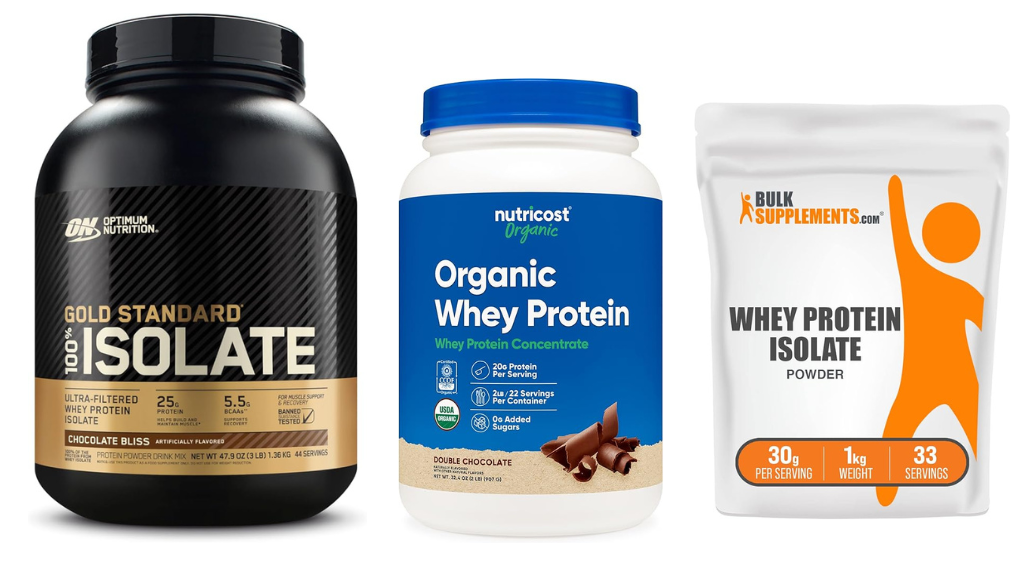
Whey protein has become one of the most popular supplements for fitness enthusiasts, athletes, and health-conscious individuals. But why is whey protein so widely used, and what makes it nutritionally valuable? In this article, we’ll explore whey protein nutrition, its benefits, dietary sources, and how to incorporate it effectively into your diet.
What is Whey Protein?
Whey protein is a high-quality protein derived from milk during the cheese-making process. It contains all nine essential amino acids, making it a complete protein source. Whey is rapidly digested, making it an ideal post-workout supplement for muscle repair and growth.
Whey protein comes in several forms:
- Whey Protein Concentrate (WPC): Contains 70–80% protein with some carbs and fats.
- Whey Protein Isolate (WPI): Over 90% protein, very low in carbs and fat.
- Whey Protein Hydrolysate (WPH): Pre-digested for faster absorption.
💪 Nutritional Benefits of Whey Protein
1. Supports Muscle Growth and Recovery
Whey protein is rich in branched-chain amino acids (BCAAs) like leucine, isoleucine, and valine, which stimulate muscle protein synthesis. Regular intake, combined with strength training, can help build lean muscle mass.
(PubMed – Muscle Protein Synthesis)
2. Aids in Weight Management
High-protein diets, especially those containing whey protein, help reduce appetite, promote satiety, and prevent overeating. This makes whey protein a valuable tool for weight management and fat loss.
(Healthline – Protein and Weight Loss)
3. Supports Immune Function
Whey protein contains immunoglobulins and lactoferrin, which support the immune system by fighting infections and inflammation.
(Medical News Today – Whey Protein Benefits)
4. Improves Bone Health
Adequate protein intake is essential for bone strength, and whey protein provides calcium and other nutrients that support healthy bones.
(Harvard Health – Protein and Bone Health)
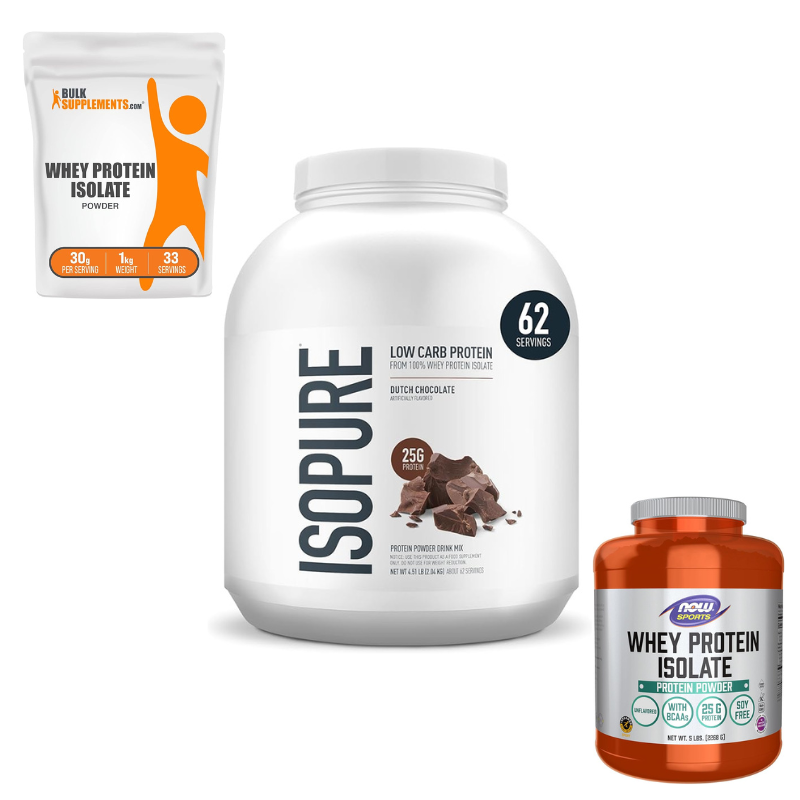
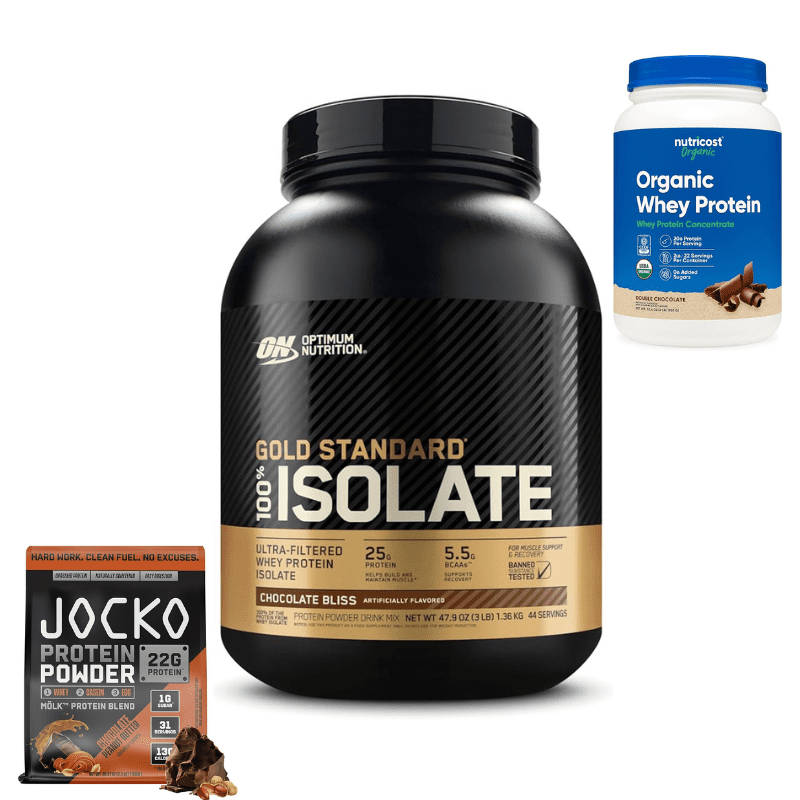
Discover the Best 3 Whey Protein Supplements – Full Reviews Inside
🥗 Dietary Sources of Whey Protein
While whey protein supplements are popular, you can also get whey naturally from dairy products:
- Milk: Contains both whey and casein proteins.
- Cheese: Whey is the byproduct of cheese production.
- Yogurt: Provides whey and beneficial probiotics.
Supplement Options: Whey protein powders are convenient, versatile, and can be added to shakes, smoothies, and recipes.
⏰ Recommended Whey Protein Intake
- General Fitness: 20–25 grams post-workout to aid muscle recovery.
- Muscle Gain: 1.2–2.0 grams of protein per kg of body weight daily, with whey supplementation as needed.
- Weight Management: Incorporate whey protein in meals to boost satiety and reduce total calorie intake.
🧠 Tips for Using Whey Protein
- Post-Workout: Consume whey protein within 30–60 minutes after training for optimal muscle recovery.
- Mixing Options: Blend with water, milk, or smoothies for best taste and absorption.
- Combine with a Balanced Diet: Whey supplements are effective when combined with whole foods and regular exercise.
- Monitor Tolerance: Some individuals may experience bloating or digestive discomfort; try lactose-free or isolate whey if needed.