
Discover the latest mental health and mindfulness trends of 2025. Learn professional strategies, wellness practices, and expert tips to boost your mental well-being and achieve a balanced lifestyle.
Mental health and mindfulness have become central to modern wellness, as people seek balance in a fast-paced, digital world. In 2025, awareness is growing around the importance of mental well-being, and innovative practices are making mindfulness more accessible. From meditation apps to corporate wellness programs, prioritizing mental health is no longer optional—it’s essential.
Why Mental Health Matters in 2025
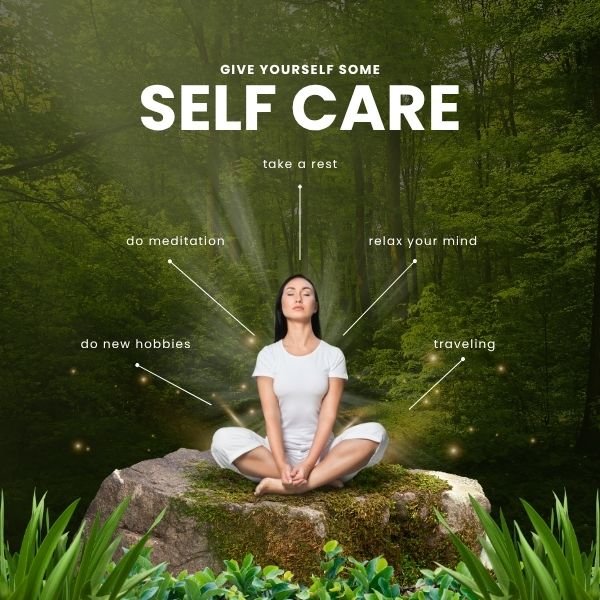
Global Awareness: Surveys indicate that younger generations, particularly Gen Z and millennials, are placing higher value on mental health than ever before.
Workplace Impact: Employers are recognizing the importance of supporting employees’ mental well-being to improve productivity and reduce burnout.
Holistic Wellness: Mental health is now considered equally important as physical health, influencing lifestyle choices, fitness routines, and social interactions.
Top Mindfulness Practices for Daily Life
Meditation: Even 5–10 minutes a day can reduce stress, improve focus, and enhance emotional regulation.
Breathwork: Controlled breathing techniques calm the nervous system and improve mental clarity.
Mindful Movement: Yoga, tai chi, or simple stretching exercises can integrate mindfulness into physical activity.
Journaling: Writing down thoughts and feelings encourages self-reflection and emotional awareness.
Emerging Trends in Mental Health
Digital Therapy & AI Tools: Virtual therapy and AI-driven mental health apps are offering personalized guidance and support.
Corporate Mindfulness Programs: Companies are implementing wellness programs that include meditation sessions, mental health days, and mindfulness workshops.
Inclusive Wellness Approaches: Mental health is being reframed to include diverse populations and remove stigma surrounding seeking help.
Mindfulness Tools & Apps


Meditation Apps: Calm, Headspace, and Insight Timer help users practice mindfulness anywhere.
Wearables: Smart rings and watches track sleep, heart rate, and stress levels to provide actionable insights.
Community Platforms: Online forums and virtual support groups provide connection and guidance for mental wellness.
Tips for Integrating Mindfulness into Your Routine
Start small — dedicate 5–10 minutes daily to meditation or deep breathing.
Use reminders — set phone alerts or calendar events for mindful breaks.
Combine with existing routines — practice mindfulness while walking, cooking, or exercising.
Track progress — use apps or journals to reflect on emotional and mental improvements.
Conclusion
Mental health and mindfulness are no longer niche trends—they are essential aspects of a balanced lifestyle. By embracing daily mindfulness practices, leveraging digital tools, and staying aware of emerging trends, anyone can improve their mental well-being and live a more focused, resilient, and fulfilling life.
Similar Articles:
Whey Protein Nutrition: Benefits, Sources, and How to Use It
The Rise of Sleep Tracking: How Technology Is Transforming Health & Lifestyle