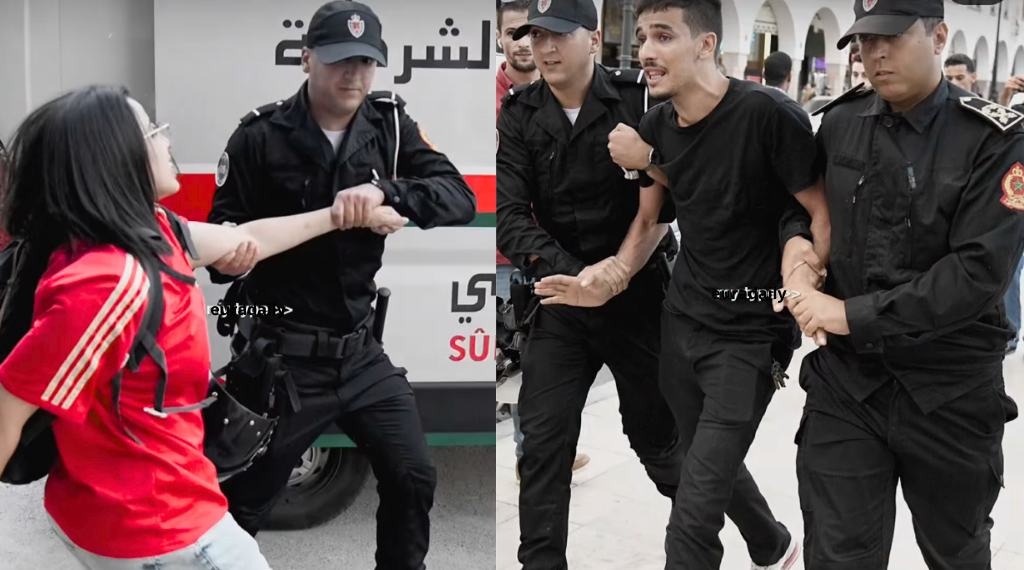
Morocco is witnessing an unprecedented youth movement. Under the banner of Gen Z 212, young Moroccans are taking to the streets in more than a dozen cities, demanding better healthcare, quality education, and government accountability. While many protests started peacefully, several have escalated into clashes with security forces. This moment marks a flashpoint in the country’s ongoing struggle over public services, social inequality, and the priorities of government spending.
What Is Gen Z 212?
- Who are they? A loosely organized, largely anonymous youth collective, with strong online presence. Platforms like TikTok, Instagram, and Discord have been key in mobilizing support. Reuters+2News24+2
- Their demands: Improvements to the healthcare system (including more staffing, better access in rural areas), upgrades to public education (infrastructure, teacher numbers, quality), transparency and accountability in governance, and protest against perceived misallocation of public funding — especially in light of high investment in sports infrastructure and preparations for the 2030 FIFA World Cup. Diario AS+3The New Arab+3ABC News+3
Why the Protests are Escalating
- Social services in decline
Multiple reports point to overcrowded classrooms, understaffed hospitals, and tragic incidents — including deaths at hospitals — which have stoked anger. News24+2Diario AS+2 - Youth unemployment & inequality
Youth unemployment rates in Morocco are high (often reported around 30-40% in urban areas), and many feel that gains and development projects don’t reach them. News24+1 - Perceived misprioritization of state budgets
There’s widespread frustration at spending on visible, prestigious infrastructure (e.g., stadiums for the 2030 World Cup) while basic health and education facilities are neglected. Slogans like “Stadiums are here, but where are the hospitals?” have gone viral. News24+2The New Arab+2 - Digital mobilization & decentralized leadership
The movement does not have one central figure; instead, hashtags, Discord groups, social media posts & viral videos have galvanized people. This decentralization gives flexibility but also makes it harder for authorities to negotiate through traditional channels. The New Arab+1
The Toll: Clashes, Arrests & Government Response
- Clashes and violence: On the fourth night of protests, Moroccan Interior Ministry reported hundreds of security personnel injured, vehicles burned, and significant civil unrest in cities like Agadir, Ait Amira, Tiznit, Oujda. Protesters used stones, Molotov cocktails, etc. Reuters+2The Star+2
- Deaths: In Lqliaa (near Agadir), two protesters were killed when security forces claimed they acted in self-defense. Reuters+1
- Arrests & prosecutions: Over 400 people arrested; many prosecuted for vandalism or violence. Government says they will deal firmly with illegal acts. Reuters+2Morocco World News+2
- Government’s stance: Authorities have affirmed the right to protest under legal conditions; some political parties (including the ruling coalition) have expressed willingness to engage in dialogue. Morocco World News+1
Challenges & Risks
- Maintaining peaceful discipline: Gen Z 212 has publicly urged protesters to avoid vandalism and violence, arguing that such actions undermine their legitimate demands. Morocco World News+1
- Government crackdown and legal consequences: Many detainees, including minors and activists, are being criticized by human rights organizations for how they were arrested and treated. FIDH+1
- Potential for escalation: When peaceful protest fails to deliver immediate results, factions may radicalize; clashes risk further casualties which can inflame anger.
What Could Happen Next?
- Dialogue or reform proposals: The government may propose improvements (budget allocation, policy changes) to defuse unrest.
- Further protests: Unless demands are met or at least addressed credibly, protests may continue or grow; digital mobilization means rapid spread and scale.
- International solidarity / human rights scrutiny: Organizations and media outside Morocco are watching; how authorities respond could affect Morocco’s international image.
- Impact on upcoming events: With the global spotlight on World Cup co-hosting, these protests may put pressure on how preparations are done and whether priorities shift.
The Gen Z 212 movement may mark a turning point in Moroccan civic activism. As young people refuse to accept superficial development or symbolic prestige at the expense of essential services, the government faces mounting pressure. What happens next—whether through reforms, repression, or both—will shape Morocco’s social contract and political climate for years to come