
The global energy landscape is changing rapidly. As nations move from fossil fuels to renewables, the balance of power is shifting, affecting politics, economies, and security worldwide.
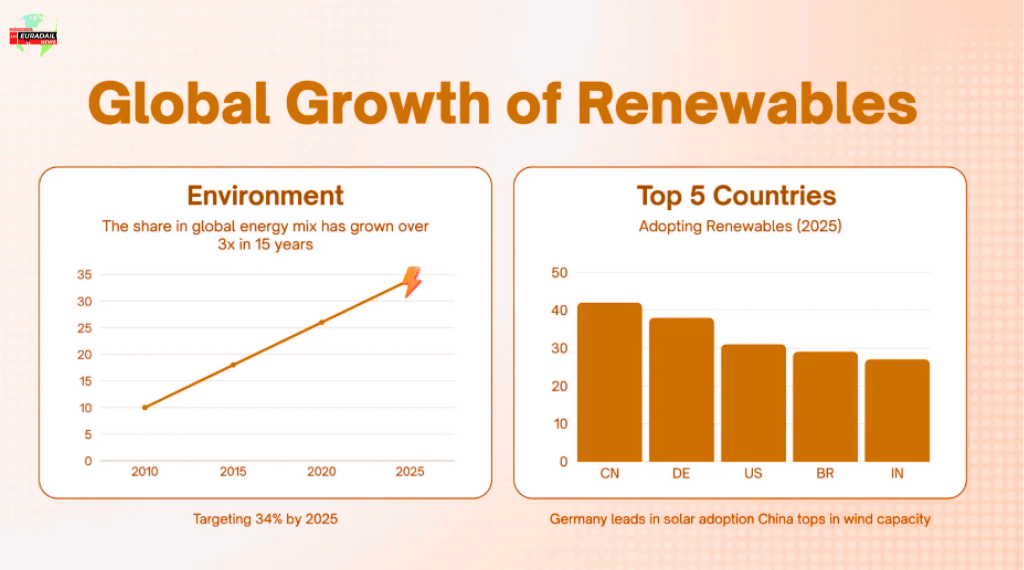
Why Energy Has Always Been Power
Control over energy resources has long determined global dominance. Oil-rich nations like Saudi Arabia and Russia have leveraged this power for decades.
Today, clean energy investment is growing rapidly. According to the International Energy Agency (IEA), clean energy investment may exceed $2 trillion annually by 2030.
The Rise of Renewable Leaders
China and the European Union lead in solar, wind, and hydropower. China dominates solar panel production, while the EU’s Green Deal aims for carbon neutrality by 2050.
These nations are shaping new economic and political alliances through renewable investments.
The Struggle for Oil Economies
Oil-dependent countries face falling demand. The IMF warns that Middle Eastern exporters could lose trillions in future revenues.
Diversifying into renewables is now essential for their economic survival.
New Energy Conflicts
The next battleground is access to critical minerals and renewable technology. Lithium, rare earth metals, and green hydrogen are now strategic assets.
The World Bank highlights growing tensions over these supply chains.
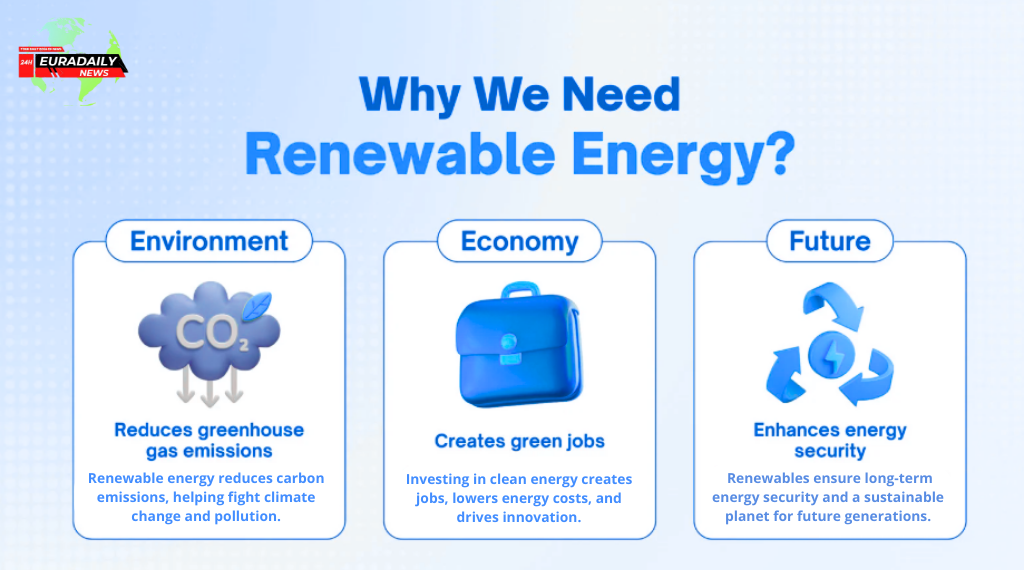
Global Cooperation and Competition
Renewable energy encourages cooperation through shared technology, but competition remains fierce. Nations race to dominate emerging markets.
More updates at BBC Environment.
Impact on Businesses and Consumers
Businesses must invest in green tech or face rising costs. Consumers may see price fluctuations but benefit from cleaner energy.
The Road Ahead
The shift to renewables is inevitable. Countries investing in technology, training, and infrastructure will gain economic and geopolitical advantages.
In-depth analysis: Forbes Energy.
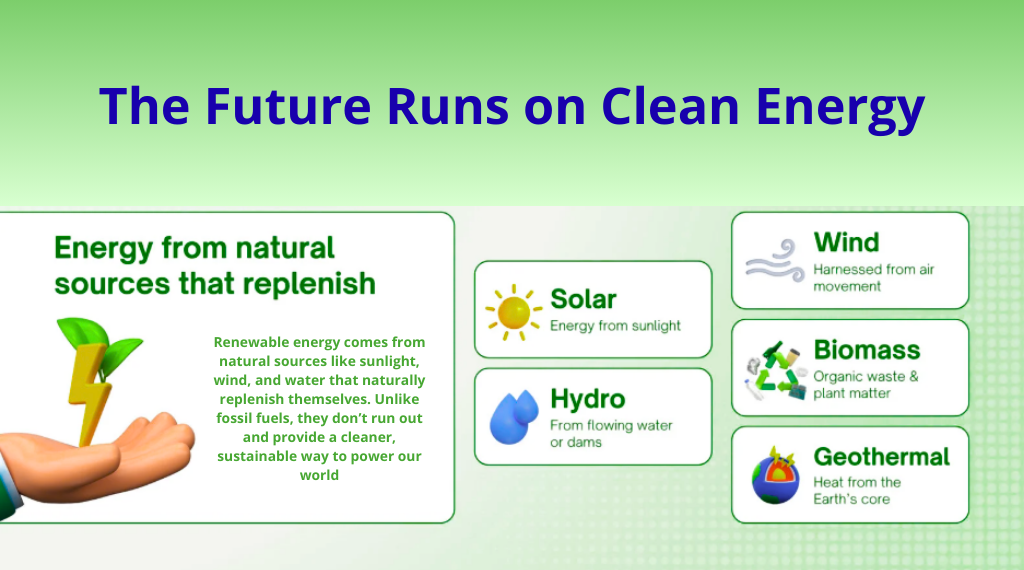
Energy Wars are no longer about oil alone. The renewable shift is redefining global power, creating new alliances, conflicts, and opportunities. Nations, businesses, and consumers must adapt to thrive in this evolving landscape.